6 Things Practitioners Overlook When Choosing a New Location For Their Medical Practice
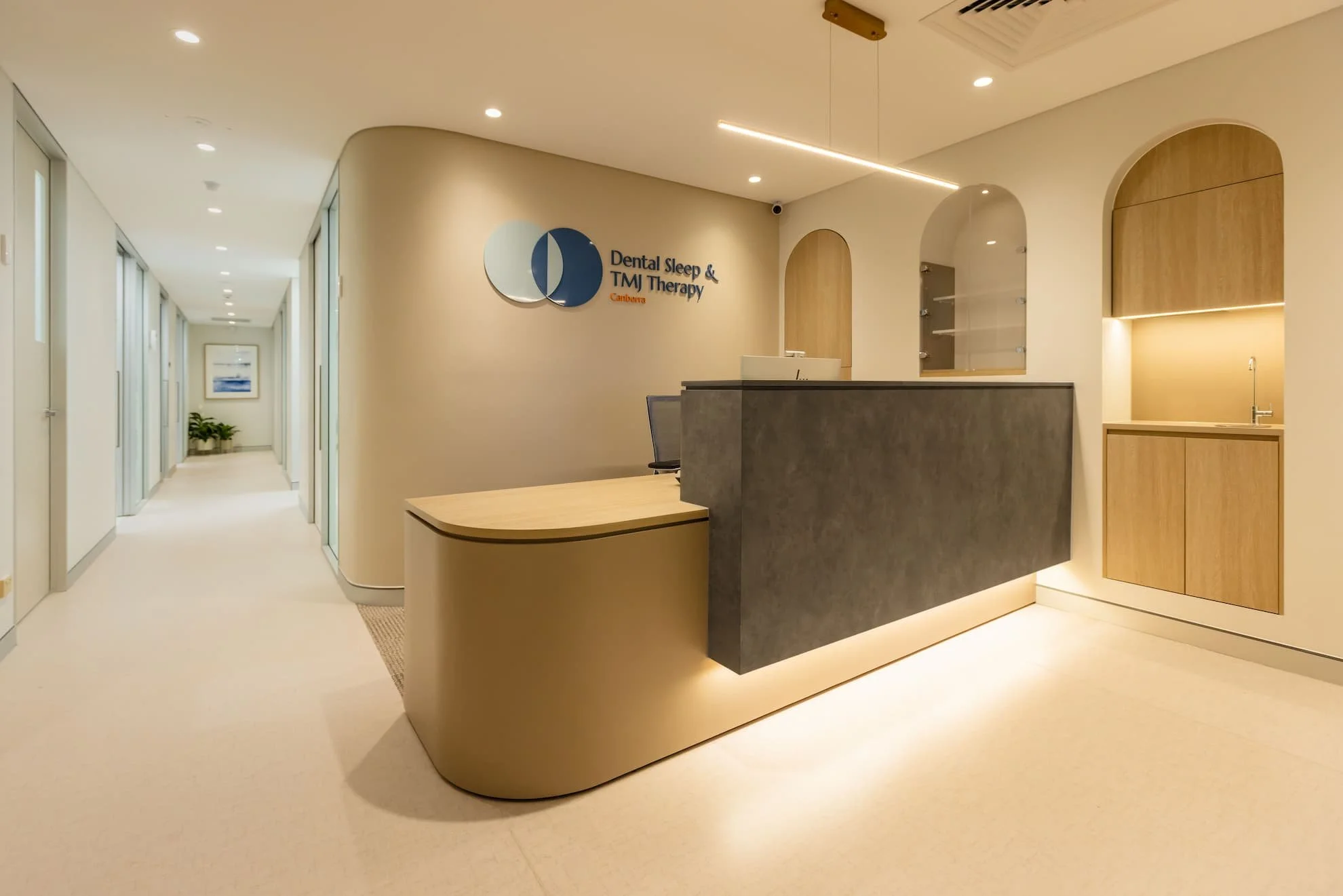
Choosing the right location for your medical or dental practice is one of the most critical business decisions you’ll make. The space you select will influence patient accessibility, operational efficiency, and long-term growth.
Many practitioners focus primarily on rent costs and demographics, but there are several other key factors that can significantly impact the success of your medical practice. Overlooking these elements could lead to costly adjustments or, worse, an unsuitable space that doesn’t support your needs. Here are six crucial things to consider before signing that lease.
1. Hidden costs beyond the lease
The rental price is just one part of the equation. Many practitioners overlook additional costs that come with leasing a commercial space that can quickly add up, including:
Outgoings and maintenance fees – Strata levies, council rates, and common area maintenance costs can add up.
Fitout feasibility – Does the space have existing infrastructure (such as plumbing and electrical setups) that support your medical practice or dental practice? If not, modifications could be expensive.
Long-term lease flexibility – Ensure your lease allows for future expansion or relocation if your medical practice grows.
A space that looks affordable at first glance may end up costing significantly more due to hidden expenses.
2. Market demand and competition in the area
The success of your medical practice or dental practice is heavily influenced by the demand for your services in the area. Before committing to a location, research:
Competition – Are there multiple practices offering the same services nearby?
Patient demand – Is there enough demand to sustain your medical practice long-term?
Growth potential – Is the area growing, or is it already saturated?
While there isn’t always detailed market data available, working with an experienced healthcare fitout and advisory team can help you assess these factors strategically.

3. Patient access and disability compliance
Accessibility is critical when choosing a medical practice or dental practice location, yet many practitioners overlook the finer details. If your medical practice is not on the ground floor, does the building have an elevator that is large enough and reliable for wheelchair users, parents with prams, and elderly patients?
Additionally, consider:
Entryways and pathways – Are doors wide enough for mobility aids? Are ramps available where needed?
Public transport options – Is there a nearby train station or bus stop for patients who rely on public transport?
Parking and drop-off zones – Are there designated accessible parking spaces? Is there a safe drop-off area for patients with limited mobility?
Ensuring your space is truly accessible will help create an inclusive and welcoming experience for all patients. years.

4. Natural light and space utilisation
A space with good natural light is a valuable asset, yet it’s often overlooked when selecting a location. Natural light enhances staff wellbeing, reduces reliance on artificial lighting, and creates a more comfortable environment for patients.
Beyond lighting, consider how efficiently the space can be used:
Does the building’s footprint allow for an optimal layout?
Is there a way to design the space with separate access for staff and patients?
Can the floor plan be utilised to maximise functionality while maintaining a welcoming atmosphere?
The shape and structure of a tenancy should be carefully evaluated to ensure it supports a practical and efficient practice layout.
5. Due diligence on building services and infrastructure
Not all commercial buildings have the infrastructure needed for a medical practice or dental practice. Before signing a lease, conduct a thorough due diligence check to determine:
Air conditioning – Is the system modern and capable of supporting a healthcare setting, or does it need replacing (which should be covered by the landlord)?
Plumbing restrictions – Some buildings are not suitable for dental or medical practices due to limitations in plumbing capacity.
Electrical power supply – Dental practices, in particular, require a substantial power supply to support multiple chairs, thermal disinfectors, and other equipment.
Fire services compliance – Fire safety regulations must be met, and upgrades can be costly if the building does not comply.
A detailed building services check can help you avoid costly surprises after you’ve committed to a lease.

6. Statutory approvals and timeframe considerations
Understanding the approval process for your medical practice’s location is essential. Certain properties may require a Development Application (DA) and a change of use approval, which can significantly extend your timeline.
In contrast, a Complying Development Certificate (CDC) approval is often a faster and more straightforward process, depending on the property’s zoning and intended use. Before signing a lease, make sure you:
Determine if a DA is required (which may delay your opening date).
Check if a CDC is an option to streamline the approval process.
Work with professionals who can guide you through the approval steps efficiently.
Overlooking statutory approvals can lead to unexpected delays, affecting your ability to open your dental practice or medical practice on schedule.
Make the right choice with expert guidance
Choosing the right location is about more than just finding a convenient address. From accessibility and infrastructure to approvals and hidden costs, every detail matters.
At Akord Projects, we help practitioners assess potential locations, identify key challenges, and determine the ideal space for their medical practice or dental practice needs. Whether you’re unsure about statutory approvals, infrastructure suitability, or market demand, we provide expert advice to ensure you make an informed decision.
Let’s find the perfect space for your practice. Get in touch with us today to discuss your requirements.