Women’s Health in a Supporting Environment
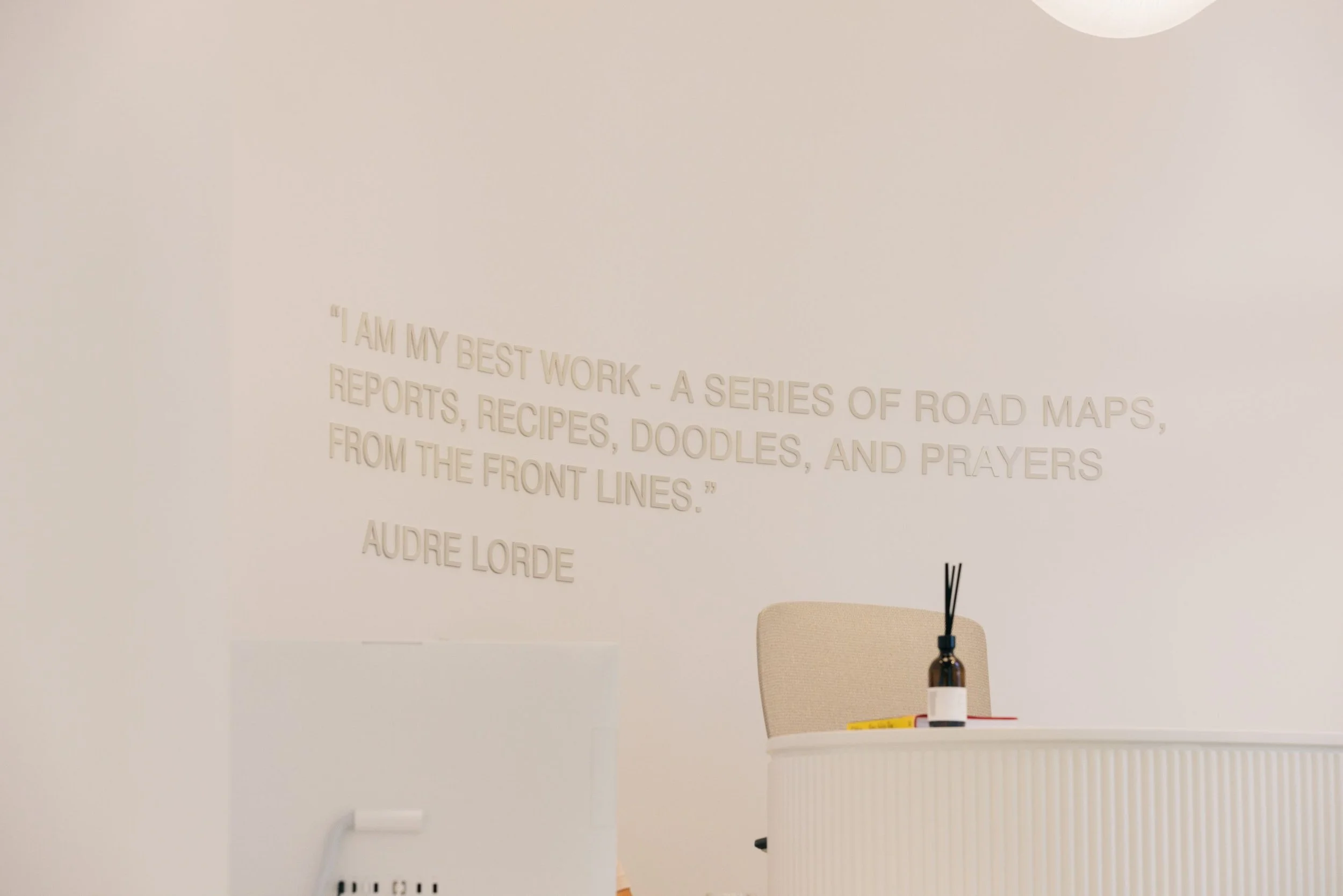
t is rare and remarkable to find a medical practice designed from a patient’s perspective rather than a doctor’s – but that’s exactly what makes Ponti Health so special. Conceived by Hema Prakash, Ponti Health was born from a deeply personal journey—one marked by frustration, confusion, and unmet expectations within the medical system. Hema envisioned something better: a sanctuary of care, connection, and clarity that she herself had long sought, but never found. So, she built it.
In the era of Fourth Wave Feminism, how can such a gap still exist? And why has it taken so long to be bridged? To understand, we look to the story behind Ponti Health.
A vision rooted in experience
Hema’s experience with mid-life health challenges was bewildering and, at times, disheartening. But instead of resigning herself to the status quo, she decided to reshape it. Her professional roots in technology and private equity, combined with her husband’s and partner’s medical expertise, psychiatrist Dr. Gaurav Tandon, created a uniquely powerful alliance.
Together, they sketched the blueprint for a new kind of practice—one that would attend to women’s physical, mental, and emotional well-being with equal care. That dream was first committed to paper, fittingly, on the back of a napkin in a little Italian wine bar named Enoteca Ponti—Italian for “bridge.” And so the name and the metaphor stuck.
Ponti would become a bridge not only between medical disciplines but also between what women need and what healthcare has traditionally offered. It would be a place where healing, dignity, and design coalesce.
A design beyond the expected
To bring this vision to life, Hema and Gaurav sought a design and construction partner who could translate not just floor plans, but philosophy. They discovered Akord Projects, specialists in healthcare fitouts, led by Azhar Khan, a veteran of over 20 years in the field. He, too, was weary of cookie-cutter medical spaces, and this project was a chance to break the mould.
Akord assessed six potential sites before finding the perfect one: a former warehouse in Surry Hills’ historic garment district. Once a space where women laboured over sewing machines, it would now be transformed into a practice where women came to be cared for, supported, and empowered.
With its striking 4-metre-high, double-height shopfront windows, the building made an immediate statement of openness, light, and transparency. But it was the interior that needed to speak a subtler, deeper language: one of safety, respect, and calm. Hema couldn’t define it exactly, but she knew what it wasn’t: harsh lighting, sterile vinyl, and impersonal interactions. She wanted a space that felt not clinical but human.
The psychology of safe spaces
We may not always understand the qualifications listed after a doctor’s name, but we do understand the spaces we enter. Architecture has a profound effect on how we feel, and in healthcare, how we heal. The design of a practice can influence both physical recovery and emotional well-being.
From the beginning, Hema, Gaurav, and Akord were aligned in their desire to create a space that feels right. Privacy, warmth, gentleness—these aren’t terms usually found in a medical brief, but they were central here. A skilled designer understands how to evoke emotion through form, flow, and materiality, and how to guide choice through atmosphere, not just logic.
Psychologists have shown that we make decisions based on feeling first and then rationalise them. Ponti Health embodies this principle. Patients feel seen, supported, and understood before they’ve even sat down.
In this purpose-designed medical practice, not only do the patients respond positively, but the practitioners and staff feel supported as well. The practice works as hard as the practitioners, providing the underlying credibility that builds the trust patients have in their practitioners.
Spaces designed and built with empathy
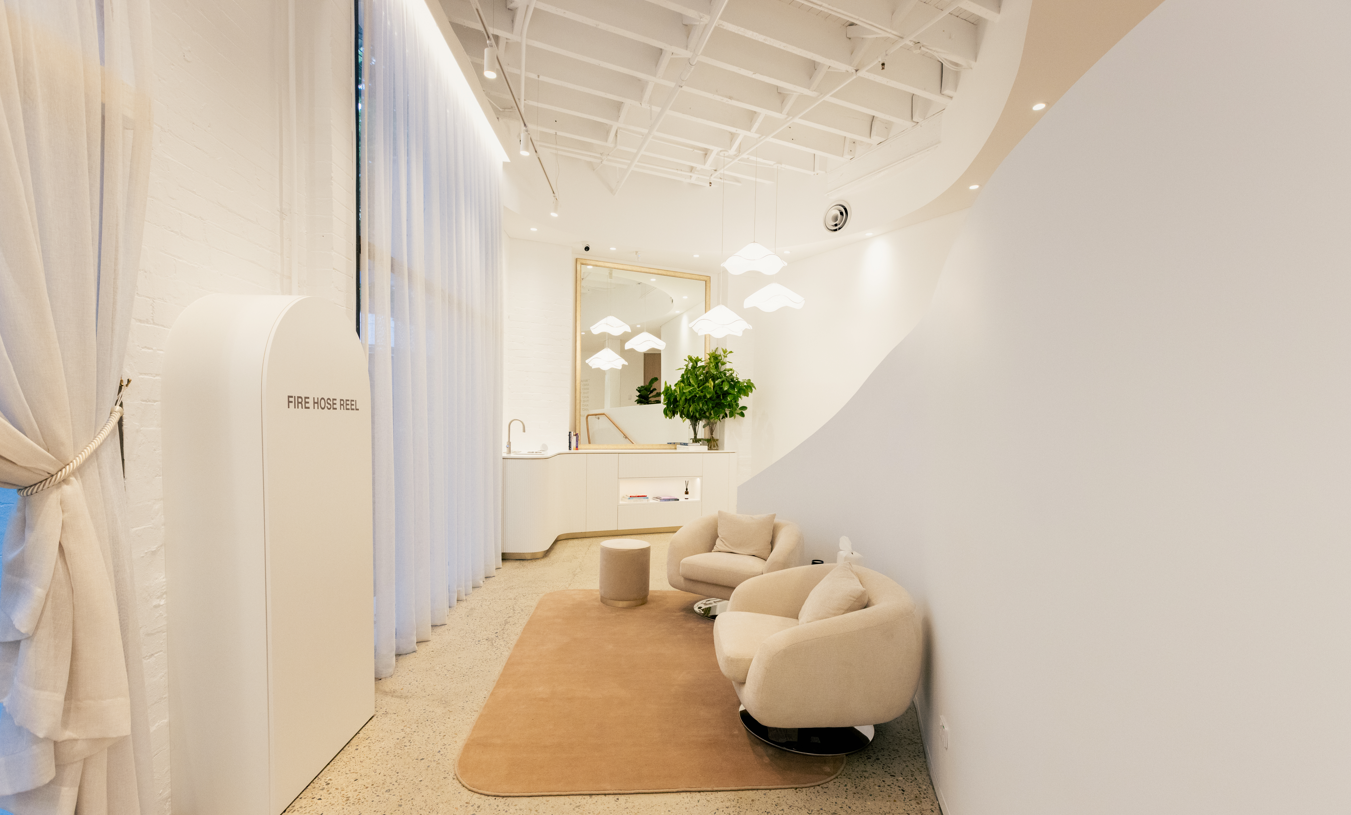
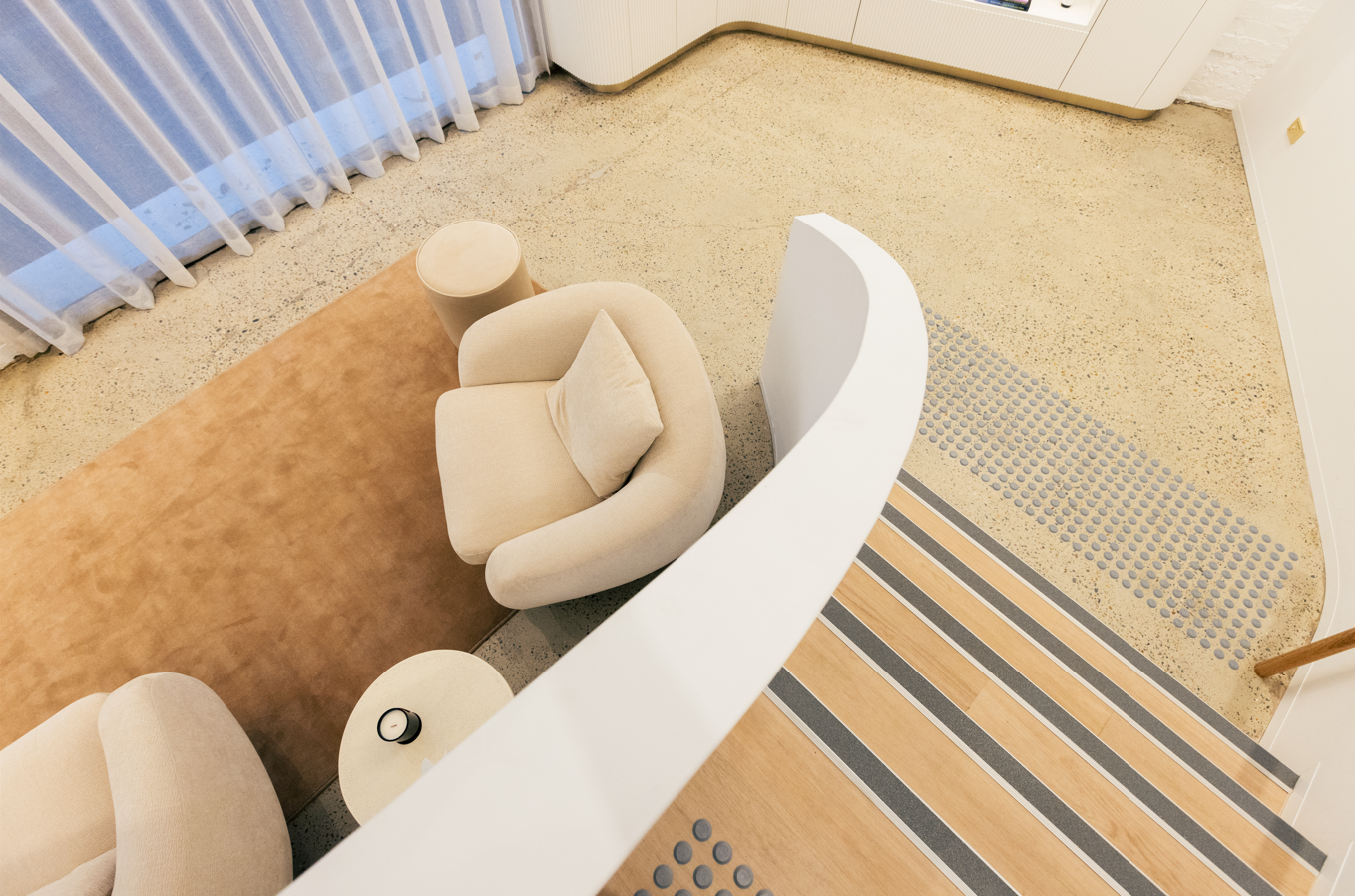
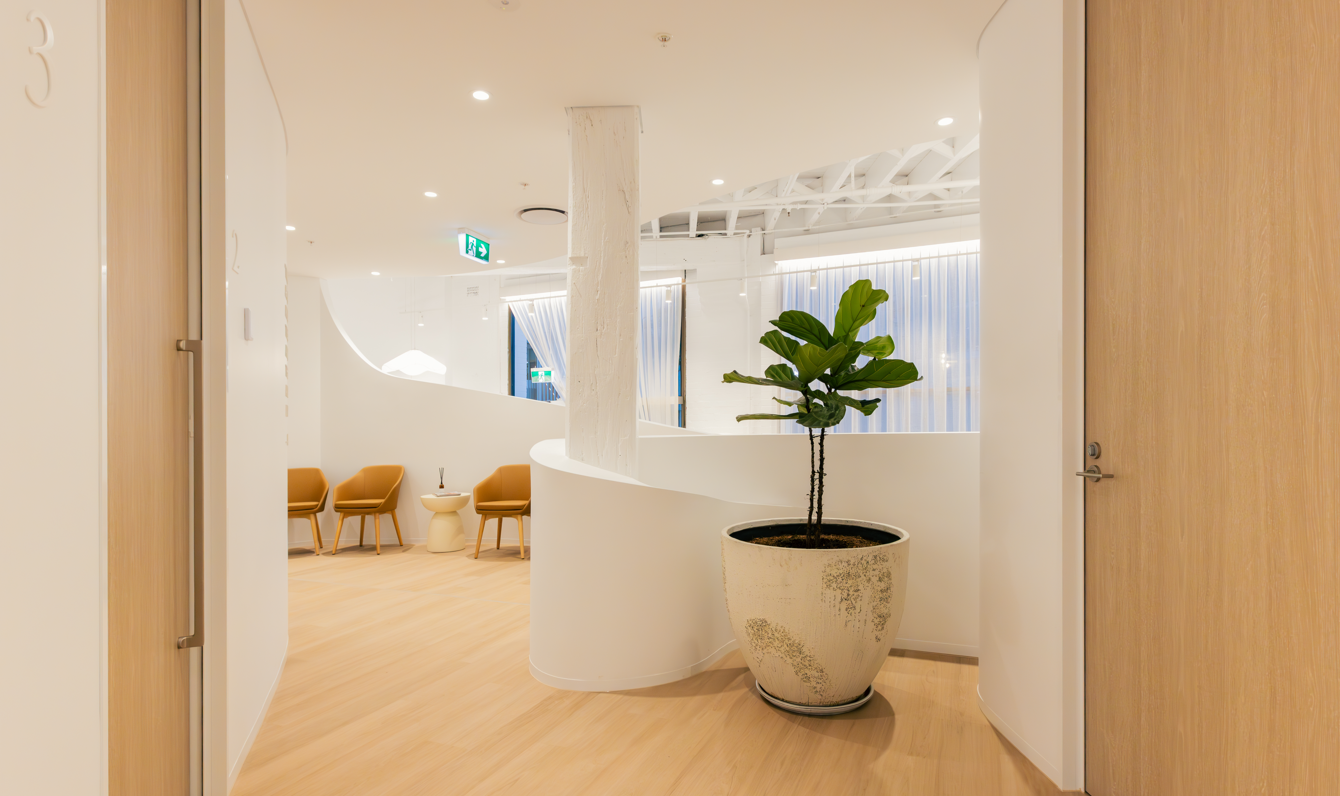
Akord’s design is fluid and feminine, with curved walls that gently guide patients through the space. Soft, semi-transparent curtains filter light while preserving privacy. A low, inclusive reception desk encourages eye contact—no more talking over a counter or barriers between staff and visitors.
The sense of openness and equality is established at the very first interaction. This is critical as patients decide whether this is right for them in the first 15 seconds of coming to a new practice. First impressions count, as real estate agents often say.
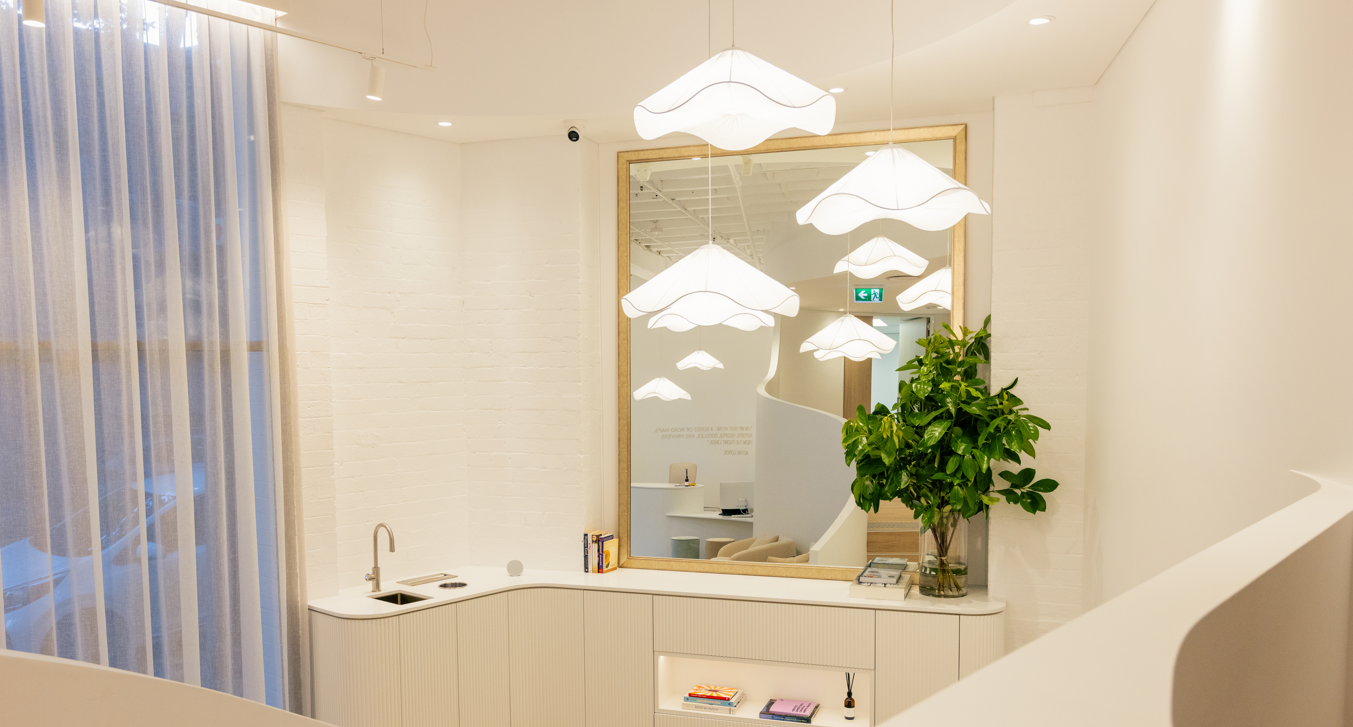
Even the intake process is different: there’s no exhaustive health questionnaire at the door. Just the basics. The rest unfolds through conversation, respect, and time. The philosophy is that, instead of saving time, the practice spends time getting to know the patient. A reversal of the usual medical practice approach is an excellent way to signal something radical—that the patient is not a case to be processed, but a person to be understood.
Each step builds trust and credibility, creating a perception that this is a bespoke practice and that patients are treated as individuals.
The practice itself houses eight consultation rooms (two for allied health), a yoga and physiotherapy space, a large infusion and treatment room, a pathology collection, and ample reception and waiting areas. Staff enjoy a generous retreat of their own, complete with private WC, shower, and car park access. Even here, the layout supports wellbeing, encouraging balance and reducing burnout.
Built to heal. Made to last
There are no sharp corners, no echoing corridors, and the space unfolds naturally, inviting but never intimidating. Legacy details, like original timber ceilings, lend texture and soul.
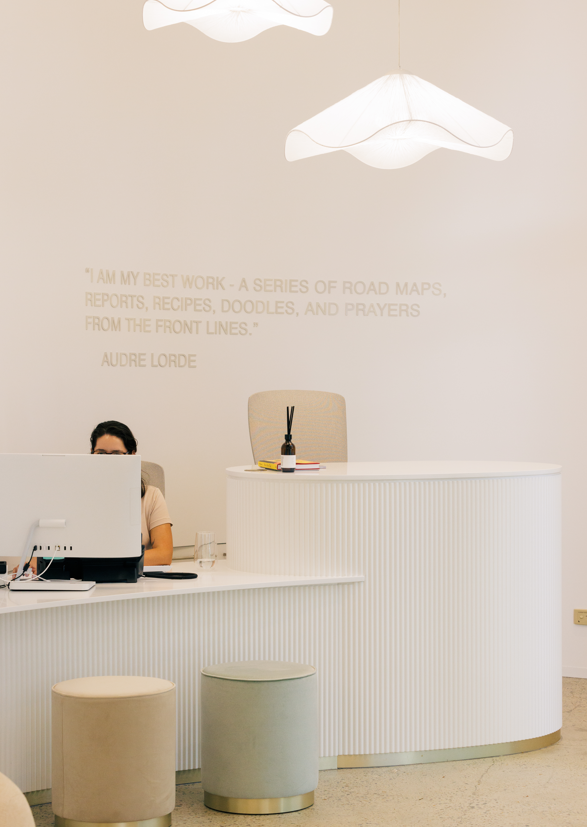
In Akord’s words, Ponti Health is a landmark. It challenged them to elevate their own philosophy, push past the expected, and design something genuinely transformative. That level of collaboration—between client and designer, vision and detail—is rare and powerful.
Akord also project-managed the building and fit-out construction.
Dr Gaurav and Hema said that during construction, “we were empowered by being given choices at each step, so there were no surprises and minimal stress”. That’s a rare sentiment in construction, and a testament to the team’s integrity.
Like the female form, this space is curvaceous, calming, and quietly powerful. It reflects women’s lived experience with grace and strength, offering not just treatment but transformation.
A glimpse into the future of healthcare
The world is changing. Baby Boomers are aging in place. Gen X demands holistic care. Millennials expect nothing less. Patients seek not just longevity, but quality of life. Practitioners want to thrive, not just survive.
To meet this shift, medical spaces must evolve. Ponti Health shows us how.
It is a bridge between disciplines, between science and sensitivity, between today’s system and tomorrow’s standard. And for every woman who has ever felt dismissed or unseen in a medical room, it’s a deeply welcome one.
Project Details
Practice Name: Ponti Health
Practice Principals: Dr Gaurav Tandon and Hema Prakash
Location Surry Hills, NSW
Size 338 sm
Consult rooms 8 + treatment + path + physio
Design & Construction: Akord Projects
Graphics & Signage: Anne-Laure Cavigneaux – March Studio
Finance: Daniel Pike – Avant Finance
IT Consultant Quo Group
Medical Equipment Jack Chegwidden – Team Medical